Publishing & Design
Built to Be Read
The Opportunity
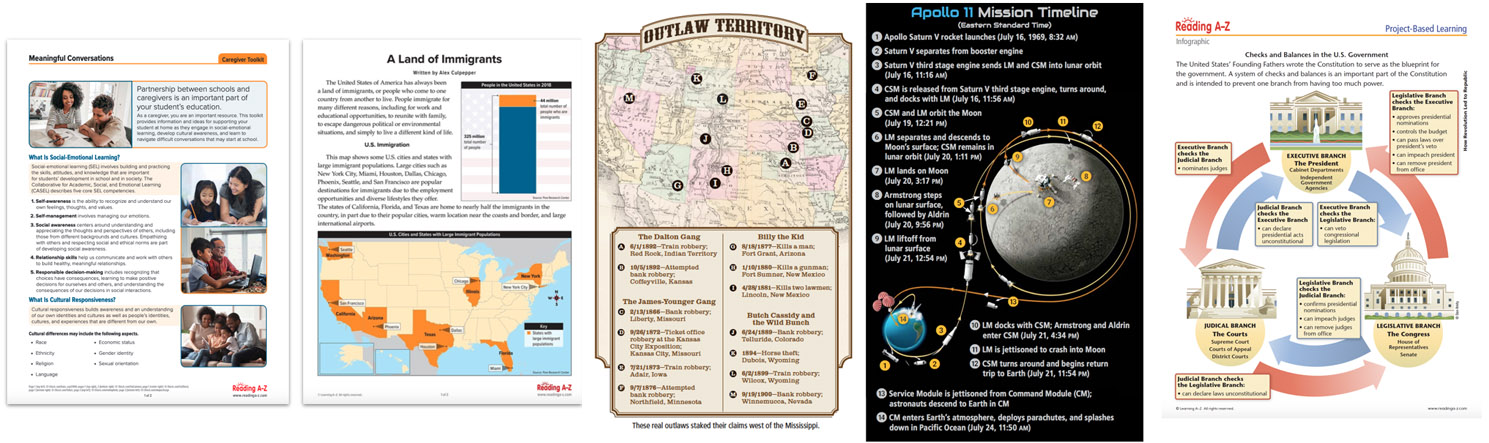
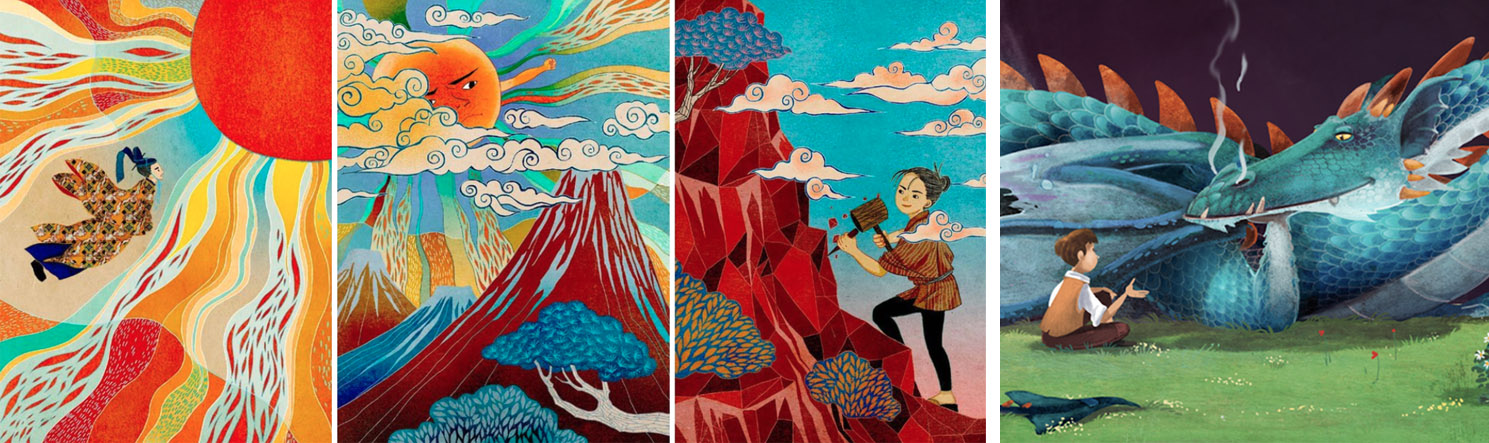
Learning A-Z publishes thousands of books, passages, worksheets, and lesson plans, across its product portfolio. Behind that expansive library is a production design operation I led that treated print as a discipline, not an afterthought. We stood up a dedicated design system for print and digital resources, a custom typeface purpose-built for early readers, and applied rigorous accessibility standards across the resources. The work held up at scale without interrupting the craft that made it instructionally effective.
 The operation spanned four specialized functions. Production Designers laid out and designed instructional resources with expertise in typography, graphic design, and accessibility. Photo Researchers sourced imagery and managed a licensing database of over 61,000 records. Art Buyers hired and directed freelance illustrators. Publishing Services managed the CMS that organized the library and converted print-ready files into digital assets.
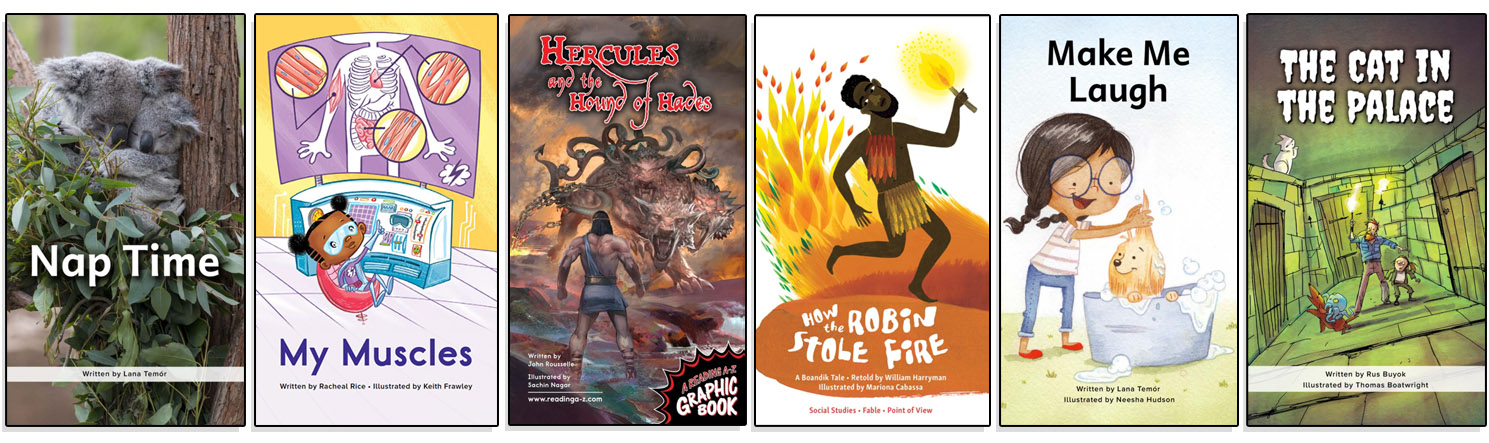
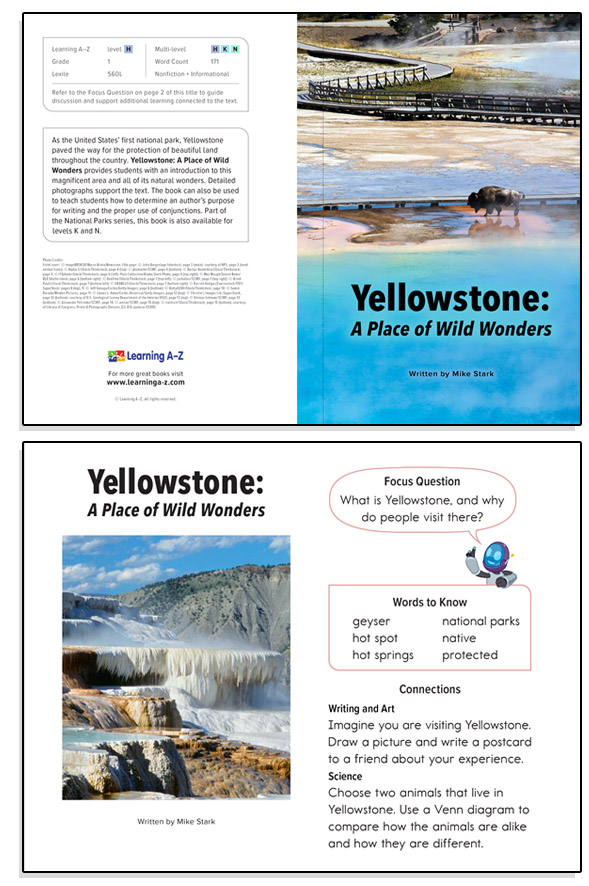
The most significant initiative this team undertook was modernizing our flagship leveled book collection to better reflect where reading instruction was heading, giving educators clearer language for how the library supported structured literacy. While the patients were on the operating table, we addressed years of accumulated issues, including inconsistent branding and layouts, outdated logos and company names, accessibility gaps, and teacher-facing content scattered throughout books that belonged gathered up on the back cover. That mighty effort led to a dramatically cleaner, more consistent, and more accessible collection.
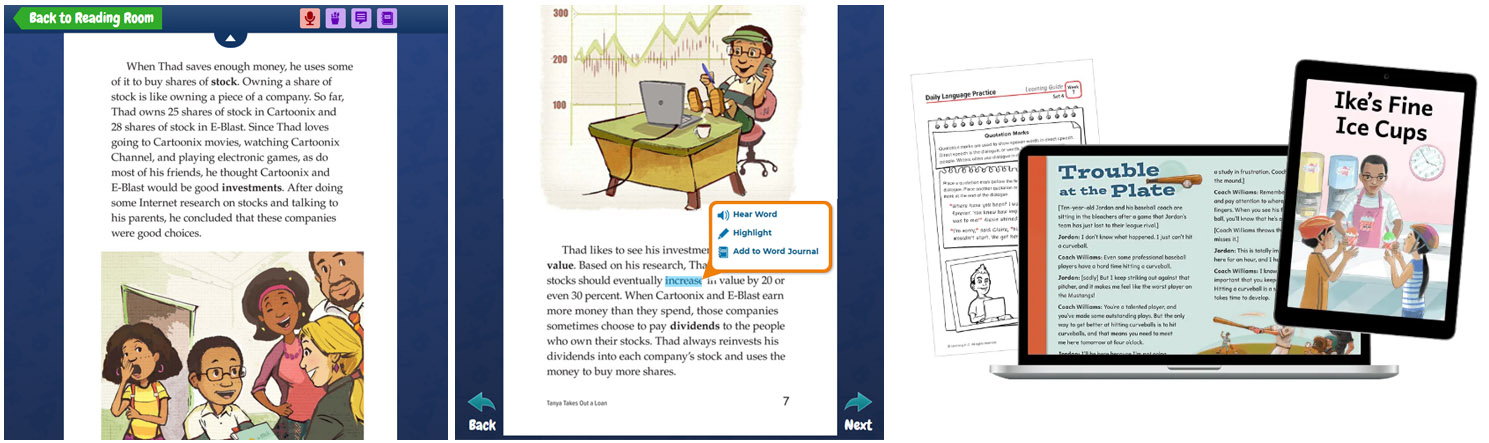
Every book produced by this team was ingested into a proprietary CMS and converted into assets for the digital book player, a student-facing reading environment with professionally recorded full-book audio, AI-assisted individual word audio, student recording capabilities, and in-book markup tools.
Faster Without Cutting Corners
The book redesign also became a proving ground for AI-assisted production. Using AI to accelerate InDesign layouts, automate previously manual production tasks, and adapt illustrations for the new full-bleed cover format, the team completed the initiative 40% faster than traditional production timelines would have allowed. The tools that modernized the collection also modernized how the team worked.